What to Expect During Your First Hot Stone Massage Session
Preparing for a first hot stone massage session often brings a mix of curiosity and anticipation. Many individuals wonder about the sensation of heated stones on the skin or how such a treatment differs from a traditional massage. Understanding the general flow of the session can help create a sense of comfort and clarity before arriving at the spa or clinic.
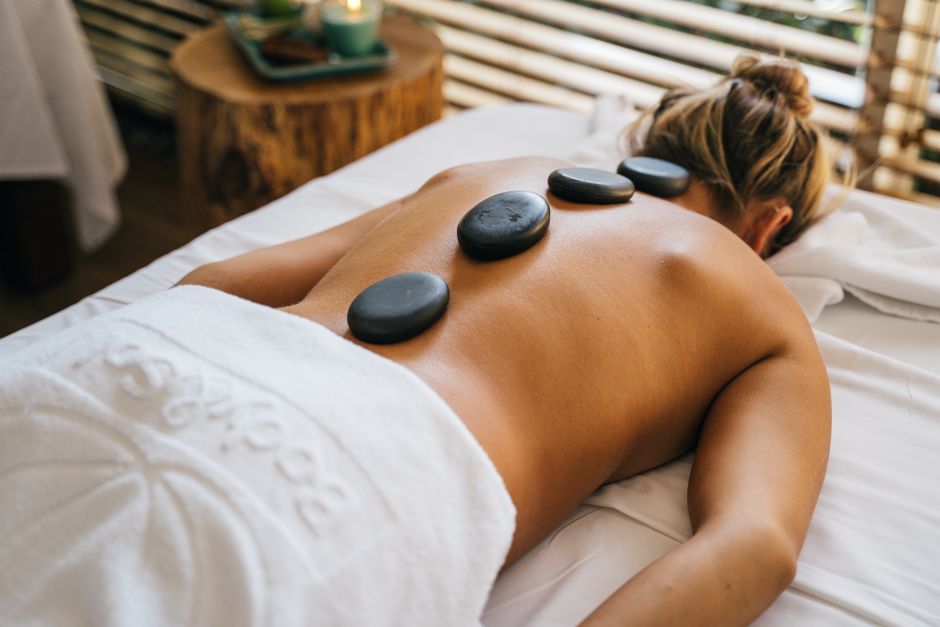
Hot stone massage is a type of bodywork that incorporates smooth, heated stones as an extension of the therapist’s hands. The stones are typically made of basalt, a volcanic rock that retains heat well. During the session, the therapist places stones at specific points on the body and may also use them to perform massage strokes. The experience is designed to allow the warmth to penetrate deeply into the muscles, supporting a state of calm and release. This article outlines the typical stages of a hot stone massage, from the initial consultation to the final moments of the session, so that you know what to anticipate without any surprises.
It is important to note that individual experiences can vary based on the therapist’s techniques, the setting, and personal preferences. The purpose of this overview is to provide a general framework of what a first session may involve, not to prescribe a specific outcome.
Initial Consultation and Setup
At the start of your appointment, the therapist will typically guide you through a brief consultation. This conversation helps the therapist understand your current physical state, any areas of tension or discomfort, and whether you have any conditions that might influence the use of heat. You may be asked about your tolerance to warmth, as well as any medications or skin sensitivities. This exchange allows the therapist to tailor the session to your needs and to explain how the stones will be used.
Once the consultation is complete, the therapist will prepare the treatment room. The stones are heated in a specially designed unit filled with water, usually set to a temperature between 120 and 140 degrees Fahrenheit. However, the exact temperature can be adjusted depending on the therapist’s assessment and your comfort. Before the stones are placed on your body, the therapist will test the temperature on their own skin and often on a less sensitive area of your body, such as the forearm. This step is part of a standard safety routine to ensure the heat is tolerable.
You will then be asked to undress to your comfort level and lie on the massage table, typically face down, with a sheet or towel covering your body. The therapist will enter the room only after you are settled and covered. The environment is usually dimly lit with soft music, and the room temperature is kept warm to help you relax and to prevent the stones from cooling too quickly.
The Role of Temperature in Hot Stone Massage
Temperature is a central element of the hot stone massage experience. The heat from the stones is not meant to be intense or burning; rather, it is intended to be a gentle, penetrating warmth that gradually soothes the muscles. The therapist will apply the stones in a sequence that allows the body to adapt to the heat. For example, the first stones placed along the spine or on the palms of the hands might feel noticeably warm, but after a few moments the sensation becomes comfortable and calming.
Throughout the session, the therapist monitors your feedback. If at any point a stone feels too hot, you can simply let the therapist know. The stones can be removed or replaced with a slightly cooler set. Conversely, if the warmth fades and you would like more heat, the therapist can switch to freshly heated stones. This dynamic adjustment ensures that the temperature remains within a range that supports relaxation without causing discomfort.
The heat itself can influence how the muscles respond. Many people describe a feeling of the warmth spreading beyond the stone’s immediate location, creating a sense of deep relaxation. The therapist may also use the stones to perform gliding strokes, which combine the benefits of heat with gentle pressure. This method can be particularly effective for areas that hold tension, such as the shoulders and lower back.
How Stones Are Placed on the Body
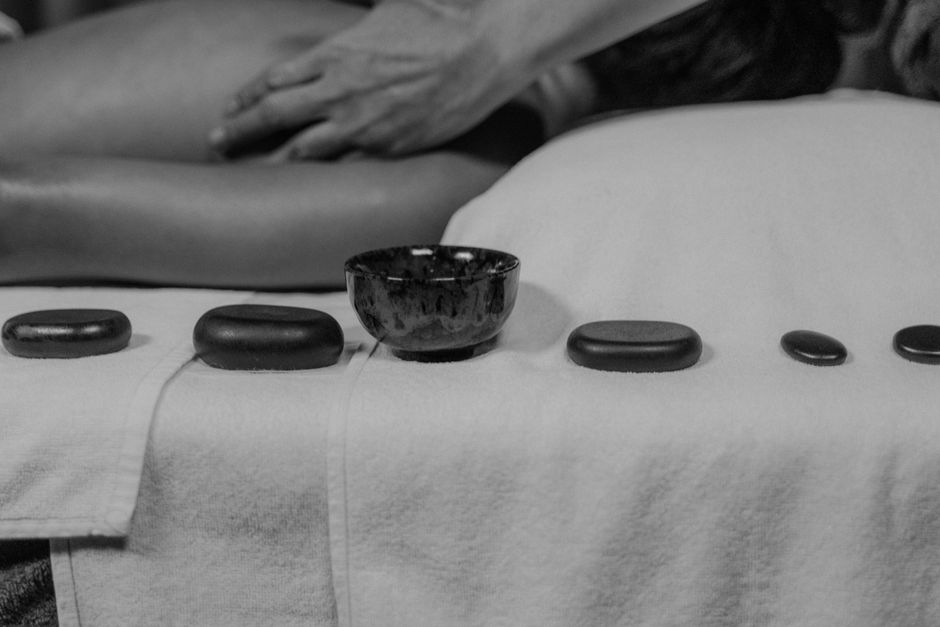
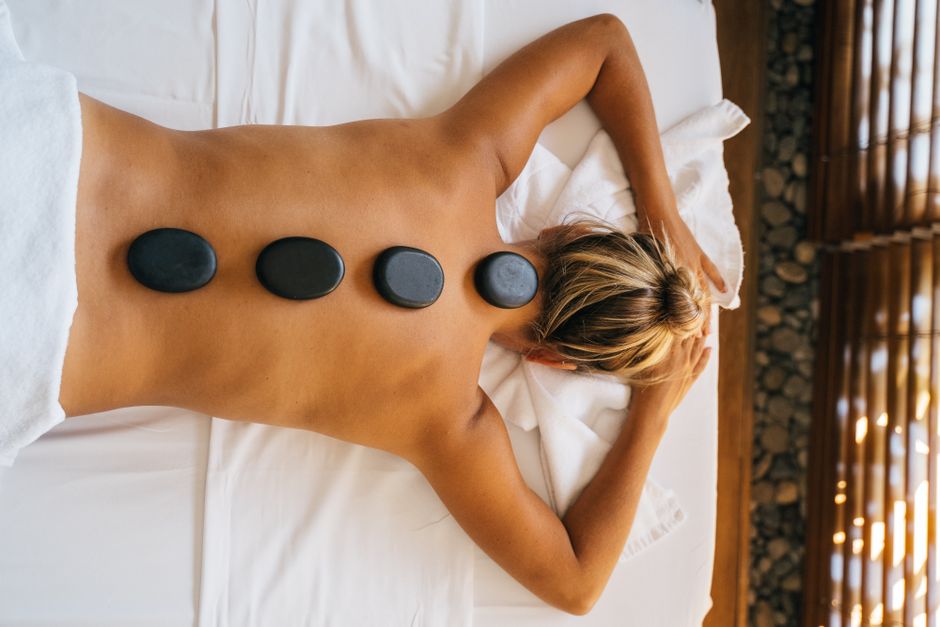
Stone placement follows a structured pattern that varies depending on the therapist’s training and your specific needs. Typically, the therapist begins by placing stones along the spine, often in a row on either side of the vertebrae. Additional stones may be placed on the lower back, between the shoulder blades, or on the sacrum. Smaller stones are sometimes positioned between the toes or in the palms of the hands. The intention is to create a symmetrical arrangement that encourages the body to relax evenly.
While the stones rest on the body, the therapist may work on other areas using traditional massage techniques. For instance, while a row of stones warms the back, the therapist might focus on the legs or arms with hand movements. This concurrent approach allows the heat to continuously soften the muscles in one region while the therapist addresses another area. The stones are typically left in place for several minutes before being moved or replaced.
When it is time to turn over, the therapist will remove the stones and assist you in shifting to a face-up position. Stones may then be placed on the abdomen, chest, shoulders, or neck, depending on your comfort. Some clients prefer to avoid stones on the stomach or chest, and the therapist will respect those preferences. The placement is always adapted to ensure that you feel at ease throughout the session.
Sensations Throughout the Session
During a hot stone massage, the sensations evolve as the treatment progresses. In the first few minutes, the most noticeable sensation is the warmth of the stones. For many, this feels like a pleasant heat that slowly sinks into the muscles, creating a sense of heaviness and release. Some people also notice a slight tingling or a feeling of energy moving through the body. These responses are normal and reflect the body’s adjustment to the temperature and pressure.
As the session continues, the combination of heat and massage strokes can lead to a state of deep relaxation. The muscles may feel looser, and the mind may become quieter. Some clients report that they drift in and out of a restful state, almost like a light sleep. Others remain alert but feel a profound sense of calm. There is no single correct experience; each person reacts differently based on their physical condition and mindset.
It is also common to feel a brief moment of mild discomfort if a stone is placed on a particularly tight area. The heat can sometimes cause a temporary increase in sensation before the muscle begins to release. This is not a cause for concern, and the therapist will check in with you regularly. If you prefer, the stone can be removed or moved to a different spot. Communication with the therapist is encouraged throughout the session to ensure that the experience remains comfortable and enjoyable.
After the Session and Integration
Once the massage is complete, the therapist will remove all stones and give you a few moments to gradually return to a seated position. You may feel lightheaded or deeply relaxed, so it is advisable to rise slowly. The therapist may offer a glass of water and suggest that you take it easy for the remainder of the day. Staying hydrated is often recommended because the heat and massage can increase circulation and encourage the release of metabolic waste.
Some individuals notice a mild soreness in certain areas the next day, similar to what might be felt after other types of bodywork. This response is generally temporary and can be managed with gentle movement and adequate hydration. The therapist may also provide suggestions for self-care, such as gentle stretching or applying a warm compress to areas that feel tender. However, these are general observations and not a guarantee of any particular outcome.
After the session, it is a good idea to pay attention to how your body feels over the next 24 to 48 hours. Many people find that the benefits of the heat and massage unfold gradually, with a sense of relaxation lasting well beyond the treatment. If you have any questions or concerns after the session, the therapist at Serenity Massage or your chosen provider will be available to discuss them. The overall goal is to support your well-being through a carefully managed process that respects your comfort and individual needs.