Choosing the Right Massage for Your Needs: A Comparison
Selecting a massage modality involves understanding how different techniques interact with the body and what outcomes a person hopes to support. With several approaches available, each with its own methods and intentions, the process of choosing can benefit from a clear comparison. This article examines four common types of massage: Swedish, deep tissue, sports, and prenatal massage. By exploring their characteristics and typical applications, readers can better evaluate which option might align with their personal circumstances and goals.
Massage therapy is a broad field encompassing diverse styles that vary in pressure, movement, and purpose. Some modalities focus on relaxation, while others target specific muscular issues or support particular life stages. The effectiveness of any massage depends on factors such as the individual’s health status, the skill of the practitioner, and the context in which the session takes place. At Serenity Massage, practitioners often begin by discussing a client’s history and preferences before recommending a suitable approach, emphasizing that each person’s response to a given technique can differ.
Swedish Massage
Swedish massage is one of the most widely practiced modalities and is often associated with relaxation and gentle tension release. It typically involves long, flowing strokes, kneading, and circular movements on the superficial layers of muscle. The technique is designed to improve circulation, ease muscle stiffness, and promote a sense of calm. Many people choose Swedish massage when they want to reduce everyday stress or simply take time for self-care.
The pressure applied in a Swedish massage is generally light to moderate, making it accessible for individuals who are new to massage or have a low tolerance for deeper work. Sessions may incorporate light tapping or vibration to further encourage relaxation. While it is not intended to address chronic pain or deep muscle knots, some people find that regular Swedish massage supports their overall well-being by helping to maintain flexibility and reduce mild discomfort. Because the approach is gentle, it is often recommended for those who prefer a soothing experience rather than intensive manipulation of muscle tissue.
Deep Tissue Massage
Deep tissue massage targets the deeper layers of muscle and connective tissue using slower, more focused strokes and sustained pressure. This modality is often sought by individuals experiencing persistent muscle tension, adhesions, or restricted movement. The therapist applies pressure with fingers, thumbs, or elbows to reach areas of tightness, sometimes working across the grain of the muscle fibers. The process may involve some discomfort, but effective communication with the practitioner can help modulate intensity.
Unlike Swedish massage, which primarily works on surface tension, deep tissue massage aims to release chronic patterns of muscle holding. It is commonly used in conjunction with rehabilitation programs or by those who engage in repetitive physical activities. However, results vary widely based on the condition being addressed and the body’s individual response. While some people report noticeable improvements after one session, others may require multiple treatments to achieve their desired level of comfort. It is important to note that deep tissue massage is not a substitute for medical treatment, and any underlying health concerns should be evaluated by a qualified professional.
Sports Massage
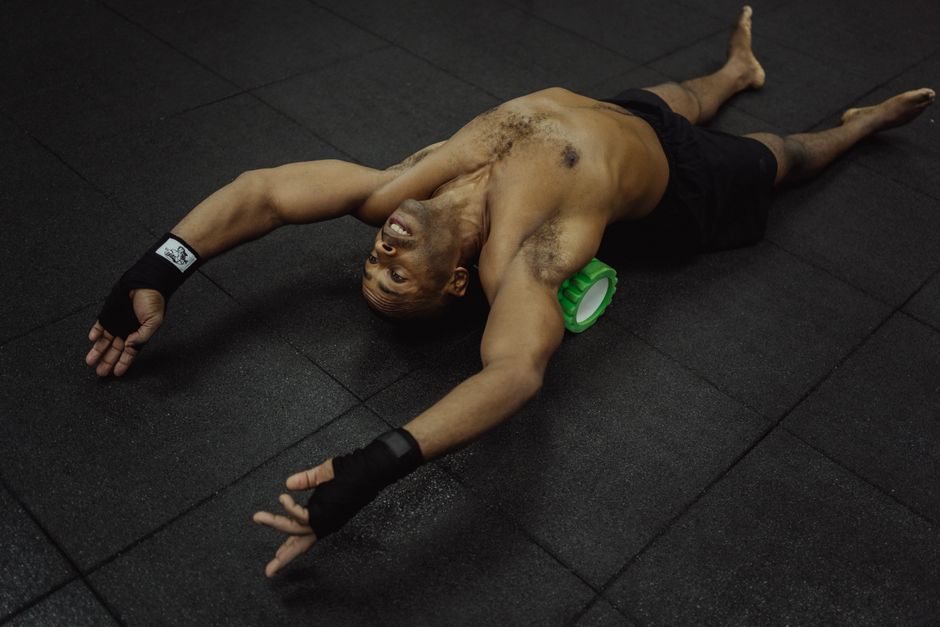
Sports massage is designed to support athletic performance, recovery, and injury prevention. It borrows techniques from both Swedish and deep tissue approaches, but it is tailored to the specific demands of physical activity. Sessions may focus on particular muscle groups that are heavily used in a given sport, and the therapist might incorporate stretching, compression, and friction techniques. The timing of a sports massage can vary: pre-event massages are often quicker and stimulating, while post-event massages are slower and aim to reduce muscle soreness.
This modality is not limited to elite athletes; it can be beneficial for anyone who exercises regularly or has a physically demanding occupation. The techniques used depend on the phase of training or competition, and the practitioner’s understanding of biomechanics plays a role in customizing the session. While sports massage may support recovery, it does not guarantee prevention of injury or improvement in performance, as these outcomes are influenced by many factors including nutrition, rest, and overall training regimen. Individuals considering sports massage should discuss their activity level and any areas of concern with the therapist to determine an appropriate approach.
Prenatal Massage
Prenatal massage is adapted to the physiological changes that occur during pregnancy. It focuses on relieving common discomforts such as lower back pain, leg cramps, and swelling, while also promoting relaxation. Specialized techniques and positioning are used to ensure safety and comfort for both the pregnant person and the fetus. For example, the client typically lies on their side with supportive cushions, and certain pressure points are avoided.
Many prenatal massage therapists have additional training in pregnancy-related anatomy and know which areas require caution. The modality is generally considered safe for healthy pregnancies, but it is not recommended for those with certain medical conditions without prior clearance from a healthcare provider. The benefits people report often include improved sleep, reduced anxiety, and decreased muscle tension. However, individual responses can vary, and the experience should complement, not replace, regular prenatal care. Those interested in prenatal massage should seek a certified therapist with experience in this area and communicate openly about any pregnancy-related concerns.
Making an Informed Choice
Choosing among these modalities involves considering personal goals, physical condition, and any relevant health factors. For instance, someone seeking a gentle introduction to massage might start with Swedish techniques, while another person dealing with long-standing muscle tightness could explore deep tissue options. Athletes or active individuals may find sports massage appropriate for their training cycles, and pregnant individuals might turn to prenatal massage for targeted support during gestation.
It is also helpful to recognize that these categories are not rigid; many practitioners blend elements from different styles to address a client’s unique needs. The best approach often emerges from a conversation with a qualified therapist who can assess individual circumstances. No single modality works equally for everyone, and outcomes depend on consistency, overall health habits, and other external factors. By approaching the selection process with curiosity and realistic expectations, individuals can make a choice that feels appropriate for their current situation.