Five Easy Self-Massage Techniques for Neck and Shoulder Pain
Many individuals experience tension in the neck and shoulders due to prolonged sitting, poor posture, or daily stress. Self-massage offers a convenient way to address these areas without requiring professional equipment. By using simple tools such as a tennis ball or one’s own hands, it is possible to target common trigger points and encourage relaxation in the upper body. The following techniques are designed to be performed at home, focusing on gentle pressure and mindful movement. It is important to listen to the body’s signals and avoid any movements that cause sharp or lasting pain. These approaches can be integrated into a regular routine, though outcomes depend on individual circumstances and consistency.
Before beginning any self-massage practice, it is helpful to create a calm environment and allow sufficient time for each technique. Breathing slowly and deeply during the process may enhance the overall experience. Each method described here can be adapted based on personal comfort levels and physical condition. The goal is not to force change but to gradually release areas of holding.
Tennis Ball Release for the Upper Traps
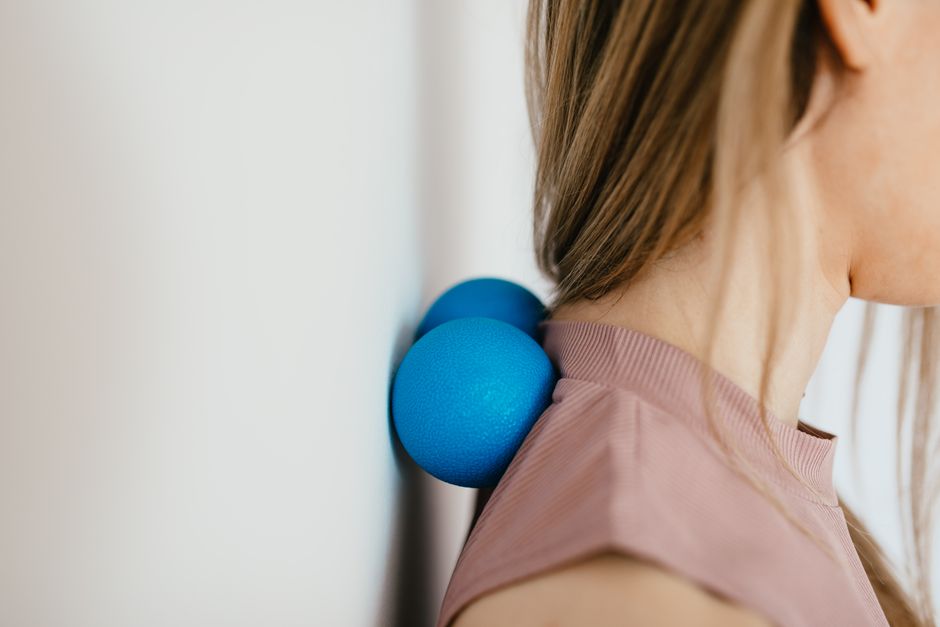
One of the most accessible techniques involves using a tennis ball to address tension in the upper trapezius muscles, which often become tight from desk work or repetitive movements. To begin, place a tennis ball between the upper back and a wall or the floor. Lean into the ball, positioning it roughly halfway between the neck and the shoulder tip. Slowly shift the body weight to allow the ball to press into the muscle tissue. It is important to move gradually and avoid direct pressure on the spine or bony prominences. Breathe deeply while maintaining the pressure for thirty seconds to one minute. Some individuals may find that rolling the ball in small circles helps locate particularly firm spots. This method can be repeated on both sides as part of a self-care routine.
Hand-Based Kneading for the Neck
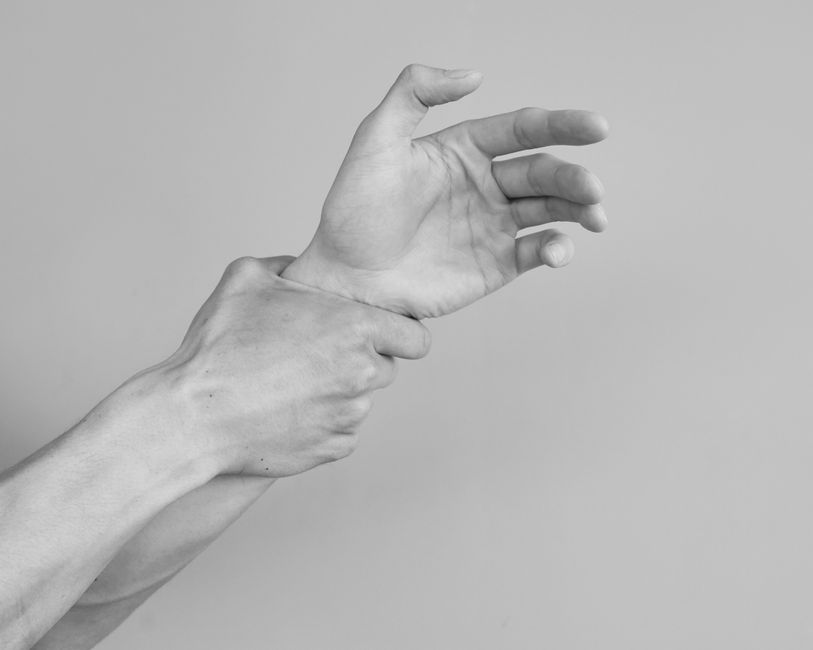
Manual kneading with the fingertips is a straightforward approach for the neck area. Using the pads of the fingers, apply gentle circular pressure along the base of the skull and down the sides of the neck. Work one side at a time, using the opposite hand for the opposite side. The pressure should be firm but not painful, and the movement should remain slow and deliberate. Areas of increased firmness may respond to sustained pressure for several breaths before moving on. This technique does not require any equipment and can be performed while sitting or lying down. Regular practice may contribute to maintaining flexibility and reducing the sensation of stiffness over time.
Tennis Ball Between Shoulder Blades
The area between the shoulder blades, including the rhomboids and mid-back muscles, can also benefit from self-massage using a tennis ball. Lie on the floor with the knees bent and the feet flat. Place a tennis ball between the shoulder blades, along the side of the spine. Allow the weight of the upper body to press into the ball. Gently roll from side to side, moving the ball vertically or horizontally to reach different muscle groups. It is advisable to avoid rolling directly over the spine itself. The pressure from the ball may help release tension that builds from slouching or carrying stress. Spending about one to two minutes on each side can be a practical starting point.
Pin and Stretch for the Levator Scapulae
The levator scapulae muscle, which runs from the side of the neck to the top of the shoulder blade, is a common source of discomfort. A pin-and-stretch technique can be used to address this area. First, locate the muscle by gently pressing along the side of the neck toward the shoulder. When a tender point is found, apply steady pressure with the fingertips. While maintaining that pressure, slowly turn the head away from the side being treated. A gentle stretch should be felt in the neck and shoulder region. Hold the stretch for several breaths, then release the pressure gradually. This combination of sustained pressure and movement can be effective for releasing deeper restrictions without requiring additional tools.
Considerations for Safe Practice
Self-massage techniques can be valuable additions to a personal wellness routine, but they are not substitutes for professional medical evaluation. Individuals should avoid applying pressure directly over the spine, the front of the neck, or any area with acute inflammation. If pain persists or worsens, it is advisable to consult a healthcare provider. Using a tennis ball is generally safe, but those with sensitive skin or underlying conditions may choose a softer ball or a folded towel instead. It is also important to stay hydrated and allow the muscles time to adjust after a session. No technique guarantees immediate or permanent relief, as outcomes depend on a variety of factors including posture, activity levels, and overall health.