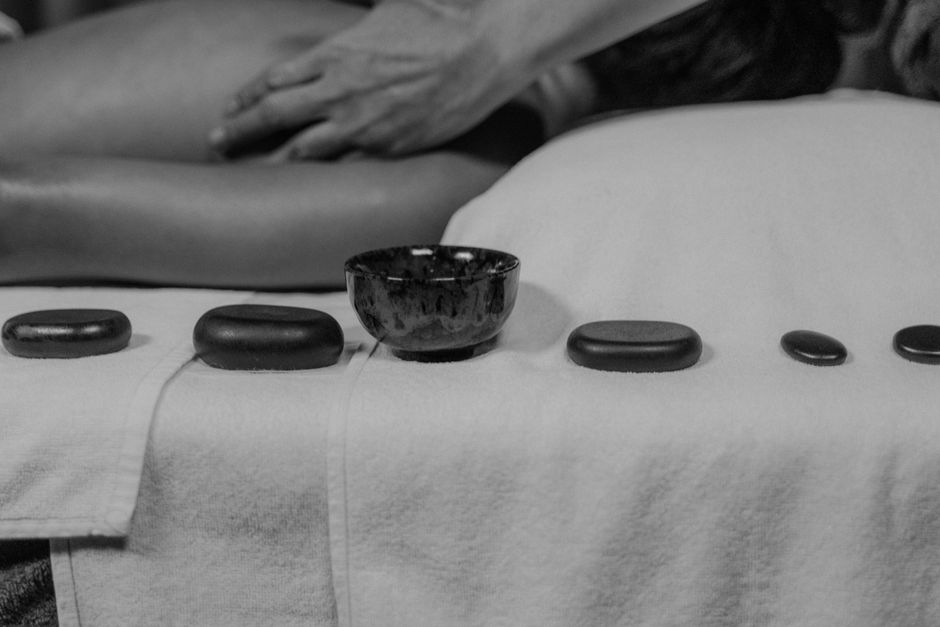
How Deep Tissue Massage Relieves Chronic Muscle Tension
Chronic muscle tension is a common experience for many individuals, often arising from prolonged postural habits, repetitive physical activities, or stress. Over time, this tension can lead to discomfort, restricted movement, and a persistent sense of tightness. Deep tissue massage is a therapeutic approach designed to address these deeper layers of muscle and the surrounding connective tissue, known as fascia. Rather than focusing solely on surface relaxation, this technique aims to reach the underlying structures where tension accumulates most stubbornly.
The practice involves applying sustained pressure using slow, firm strokes that penetrate through superficial layers. Practitioners typically use fingers, knuckles, elbows, or forearms to access areas of chronic restriction. The intention is not simply to press hard, but to work methodically along the muscle fibers and fascia, allowing the tissues to gradually release. This process-oriented approach emphasizes careful assessment and adjustment, as each person’s pattern of tension differs.
Understanding how deep tissue massage interacts with the body’s structure helps clarify its role in managing chronic muscle tension. This article explores the mechanisms through which it may influence adhesions, reduce pain, and support overall muscular health.
Understanding the Role of Fascia and Muscle Fibers
Fascia is a continuous web of collagenous tissue that surrounds and penetrates every muscle, bone, nerve, and organ in the body. It provides structural support and enables smooth gliding between adjacent structures. When fascia becomes dehydrated, restricted, or adhered to underlying tissues due to injury, inflammation, or repetitive strain, it can contribute to chronic tension and discomfort. Deep tissue massage applies mechanical pressure and shearing forces that may help restore the pliability of fascia.
Muscle fibers themselves can also develop areas of hypertonicity, often referred to as knots or trigger points. These localized bands of contracture can restrict blood flow and nerve function, perpetuating a cycle of pain and guarding. By applying focused, sustained pressure to these areas, a practitioner may encourage the muscle fibers to reset their resting length. The technique does not forcibly stretch the tissue but rather uses gradual, patient compression to elicit a release response.
It is important to note that the effectiveness of this approach depends on many variables, including the individual’s overall health, hydration status, activity level, and the chronicity of the tension. The process is not a one-time fix but rather part of a broader strategy for addressing musculoskeletal imbalances.
Breaking Down Adhesions Through Targeted Pressure
Adhesions are abnormal bands of tissue that form between layers of fascia or between muscle and fascia. They can develop after injuries, surgeries, or prolonged periods of inactivity. These adhesions limit the natural sliding motion of tissues, leading to stiffness and localized pain. Deep tissue massage works by applying pressure directly to the site of adhesion, using techniques such as stripping, cross-fiber friction, and myofascial release.
Stripping involves gliding along the length of a muscle with the thumb or elbow, applying consistent pressure to separate muscle fibers. Cross-fiber friction uses a perpendicular motion to break up fibrotic tissue and align new collagen fibers in a more functional pattern. Myofascial release employs a broader, sustained stretch to the fascia, often held for several minutes until a release is felt. None of these techniques promise immediate elimination of adhesions; rather, they create an environment in which the body’s natural repair processes can reorganize the tissue over time.
The practitioner’s skill in sensing tissue texture and resistance is crucial. They must adjust pressure based on client feedback to avoid excessive discomfort or potential injury. Communication throughout the session allows the recipient to indicate when pressure feels productive versus painful, helping the therapist fine-tune their approach.
Physiological Responses: Blood Flow and Inflammation Modulation
Deep tissue massage can influence circulation and inflammatory processes in several ways. The mechanical compression of muscle tissue temporarily displaces blood and lymph, and upon release, a rush of fresh blood returns to the area. This flushing effect may help deliver oxygen and nutrients while removing metabolic waste products such as lactic acid. Improved circulation can support tissue repair and reduce the sensation of stiffness that often accompanies chronic tension.
Additionally, research suggests that massage can modulate the body’s inflammatory response. By applying pressure to tight muscles, mechanoreceptors in the skin and fascia send signals that may downregulate pro-inflammatory cytokines. While the exact mechanisms are still being studied, the potential reduction in local inflammation can contribute to pain relief. However, these effects are contextual: they depend on the duration of pressure, the frequency of sessions, and the individual’s baseline inflammatory state.
It is also worth considering that deep tissue massage stimulates the parasympathetic nervous system, promoting a relaxation response that counteracts the stress-induced tension many people carry. This neurological shift can help break the cycle where chronic stress leads to muscle guarding, which in turn reinforces tension patterns.
Integrating Deep Tissue Work with Complementary Practices
While deep tissue massage can be a valuable component of a tension management plan, it works best when combined with other supportive habits. Stretching, both active and passive, can maintain the gains made during a session by encouraging the tissues to retain their new length. Gentle movement practices, such as yoga or tai chi, can improve overall body awareness and help individuals recognize early signs of tension buildup.
Hydration plays a notable role in tissue health. Well-hydrated fascia and muscles are more pliable and responsive to pressure. Many practitioners recommend increasing water intake after a session to facilitate the removal of metabolic byproducts. Similarly, adequate sleep and nutrition provide the raw materials for tissue repair.
For those receiving massage at a clinic such as Serenity Massage, the therapist may offer personalized recommendations based on the client’s specific patterns. These suggestions are not prescriptive advice but rather observations that support the individual’s own decision-making. The goal is to empower the recipient to take an active role in their wellness journey, recognizing that massage is one tool among many.
What to Expect During a Deep Tissue Session
A typical session begins with a brief consultation where the practitioner discusses areas of concern, medical history, and any contraindications. The client then lies on a padded table, often undressed to their comfort level, with draping maintained for modesty. The therapist applies warm oil or lotion to reduce friction and begins working on broader areas before zeroing in on problem spots.
Pressure is built gradually. It is common to feel a degree of discomfort during deep work, but it should not be sharp or painful. The therapist may ask for feedback frequently. Breathing techniques, such as slow exhales during pressure, can help the body release more effectively. After the session, some individuals experience mild soreness similar to that of a strenuous workout, which typically resolves within a day or two.
It is important to understand that results are not immediate for everyone. Chronic tension often requires multiple sessions spaced appropriately to allow the tissues to adapt. The process is cumulative, and progress may be measured in small improvements in range of motion or reduced frequency of discomfort rather than dramatic changes.
Deep tissue massage offers a methodical approach to addressing chronic muscle tension by working with the body’s inherent capacity for adaptation. Its value lies not in quick fixes but in supporting the gradual restoration of tissue function through targeted, thoughtful application of pressure. For individuals seeking to understand and manage persistent tightness, this technique provides a pathway worth exploring alongside other self-care practices.