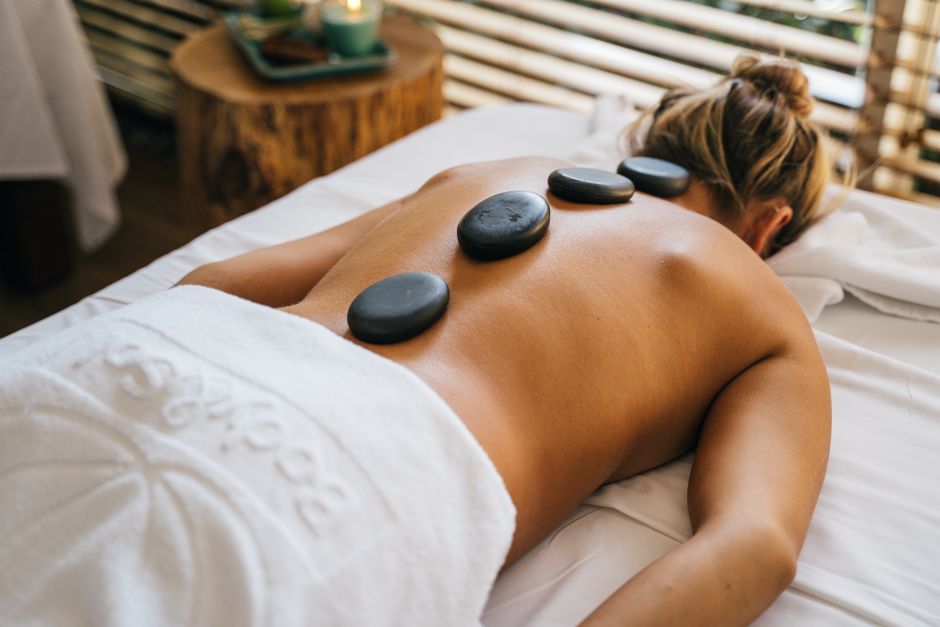
The Role of Massage in Post-Workout Recovery
Recovery after intense physical activity is a process that involves multiple physiological mechanisms. Among the methods commonly discussed in fitness and wellness circles, massage has received attention for its potential role in supporting the body’s natural recovery processes. Understanding how massage interacts with muscle tissue, circulation, and the nervous system can help individuals make informed decisions about incorporating it into their post-exercise routine.
When muscles are subjected to strenuous effort, they may experience temporary changes in blood flow, metabolite accumulation, and microtrauma. These factors contribute to sensations of soreness and stiffness that typically peak within 24 to 72 hours after exercise. While the body has its own mechanisms for clearing metabolic byproducts and repairing tissue, external interventions such as massage are often explored as complementary approaches. The focus of this article is to examine how massage influences lactic acid removal and muscle soreness, and to discuss factors related to timing that may affect its utility.
It is important to note that individual responses to massage vary, and outcomes depend on a range of variables including type of exercise, intensity, personal health status, and the specific massage techniques used. The information presented here is intended to provide a neutral overview of current understanding rather than prescriptive advice.
Understanding Muscle Soreness and Lactic Acid Accumulation
Muscle soreness after exercise is commonly associated with delayed onset muscle soreness (DOMS), a condition characterized by tenderness and reduced range of motion. DOMS is thought to result from microscopic damage to muscle fibers, along with inflammation and fluid shifts within the tissue. Lactic acid, often mentioned in discussions of exercise-induced fatigue, is a metabolite produced during anaerobic glycolysis. Contrary to older beliefs, lactic acid is not the primary cause of DOMS; it is cleared from muscles relatively quickly, typically within an hour after exercise. However, its presence during intense activity can contribute to the sensation of muscle burn and temporary fatigue.
The process of lactate removal involves several pathways. Some lactate is converted back to glucose in the liver via the Cori cycle, while other portions are oxidized directly by muscle cells or other tissues. Efficient clearance depends on adequate blood flow and oxygen availability. After exercise, the body gradually restores homeostasis, and the rate of recovery can be influenced by factors such as hydration, nutrition, and active recovery activities like light movement. Massage is one of several methods that may support this process by enhancing circulation and reducing tension in the targeted muscles.
It is also relevant to note that soreness and lactic acid are separate phenomena. While massage may help address the discomfort associated with DOMS through mechanical and neural mechanisms, its effect on lactic acid removal is a topic of ongoing research. Some studies suggest that massage can increase local blood flow, which in turn may facilitate the transport of lactate away from muscles. However, the magnitude and clinical relevance of this effect depend on the timing and technique applied.
How Massage May Influence Recovery
Massage therapy encompasses a range of techniques, from gentle stroking to deep pressure, each with different physiological impacts. In the context of post-workout recovery, common approaches include effleurage (long, gliding strokes), petrissage (kneading), and compression. These methods are believed to affect soft tissue through mechanical pressure, stretching, and reflex responses. One proposed mechanism is that massage reduces muscle stiffness by elongating fibers and breaking up adhesions, although the evidence for long-term structural changes remains mixed.
From a circulatory perspective, massage is thought to promote venous return and lymphatic drainage. Enhanced blood flow may help deliver oxygen and nutrients to recovering muscle cells while removing waste products such as lactate. Additionally, pressure applied during massage can stimulate the parasympathetic nervous system, potentially reducing stress hormone levels and promoting a state of relaxation that supports overall recovery. Some research indicates that massage may also reduce inflammatory markers, though these effects appear to be transient and context-dependent.
It is important to emphasize that massage does not replace the body’s intrinsic recovery processes. Rather, it may complement them by creating favorable conditions. For example, a session conducted shortly after exercise might help alleviate acute sensations of tightness, while a later session could address residual soreness. The choice of technique and duration should be tailored to the individual’s tolerance and goals. Many massage therapy providers, such as Serenity Massage, offer sessions designed specifically for post-workout recovery, integrating various techniques to address different aspects of muscle fatigue.
Timing Considerations for Post-Exercise Massage
The timing of massage in relation to exercise is a factor that can influence its perceived benefits. Some research suggests that massage performed within the first few hours after exercise may have a more pronounced effect on reducing perceived soreness compared to a session delayed by 24 hours or more. However, the optimal window is not universally defined and may depend on the intensity of the workout and the individual’s recovery capacity.
Immediately after exercise, muscles are often warm and more pliable, which may make them more responsive to massage. Additionally, the acute inflammatory response has not yet fully developed, so intervention at this stage could potentially modulate inflammation. On the other hand, waiting too long may allow soreness to become established, making massage more of a palliative measure than a preventive one. Some practitioners recommend scheduling a massage within two to three hours post-exercise for individuals engaging in high-intensity or endurance activities, while others advise a delay of several hours to allow the body to begin its natural cooling-down phase.
It is also worth considering that massage can be applied as part of a broader recovery strategy that includes hydration, nutrition, and rest. For instance, drinking water before a massage helps maintain tissue hydration, and consuming a balanced meal with protein and carbohydrates supports muscle repair. Combining these elements may enhance the overall recovery experience. Serenity Massage, for example, provides guidance on pre- and post-session care to help clients make the most of their appointments.
- Massage within the first hour after exercise may help with immediate relaxation and circulation.
- A session delayed by 24 to 48 hours can address persistent soreness and stiffness.
- Technique selection (light vs. deep pressure) should match the stage of recovery.
- Individual factors such as fitness level and injury history influence optimal timing.
Integrating Massage into a Recovery Routine
Massage is most effective when viewed as one component of a comprehensive recovery plan rather than a standalone solution. Active recovery, adequate sleep, proper nutrition, and stress management all contribute to how well the body adapts to exercise. For individuals who engage in regular training, periodic massage sessions can be scheduled based on training cycles, competition schedules, or personal preference. Some people benefit from weekly sessions, while others may find monthly visits sufficient.
Communication with a massage therapist is important for tailoring the session to current needs. Discussing recent workouts, areas of tension, and any discomfort helps the therapist adjust pressure and focus. After a session, it is common to feel relaxed or slightly sore, depending on the intensity of the massage. Drinking water and engaging in light movement can support continued benefits.
As with any wellness practice, consistency and self-awareness are key. Observing how the body responds to different massage styles and timings can help an individual refine their approach over time. While massage is not a substitute for medical treatment, it remains a widely used tool for those seeking to support their physical recovery in a holistic manner.